"Every horse already knows how to move. Our job is to make your ask worth answering."
COLE HARRINGTON
NSBA Certified · 18 Years Foundation Training · AQHA Registered
Serving Limestone · Bosque · Coryell Counties, TX
Case Study No. 01
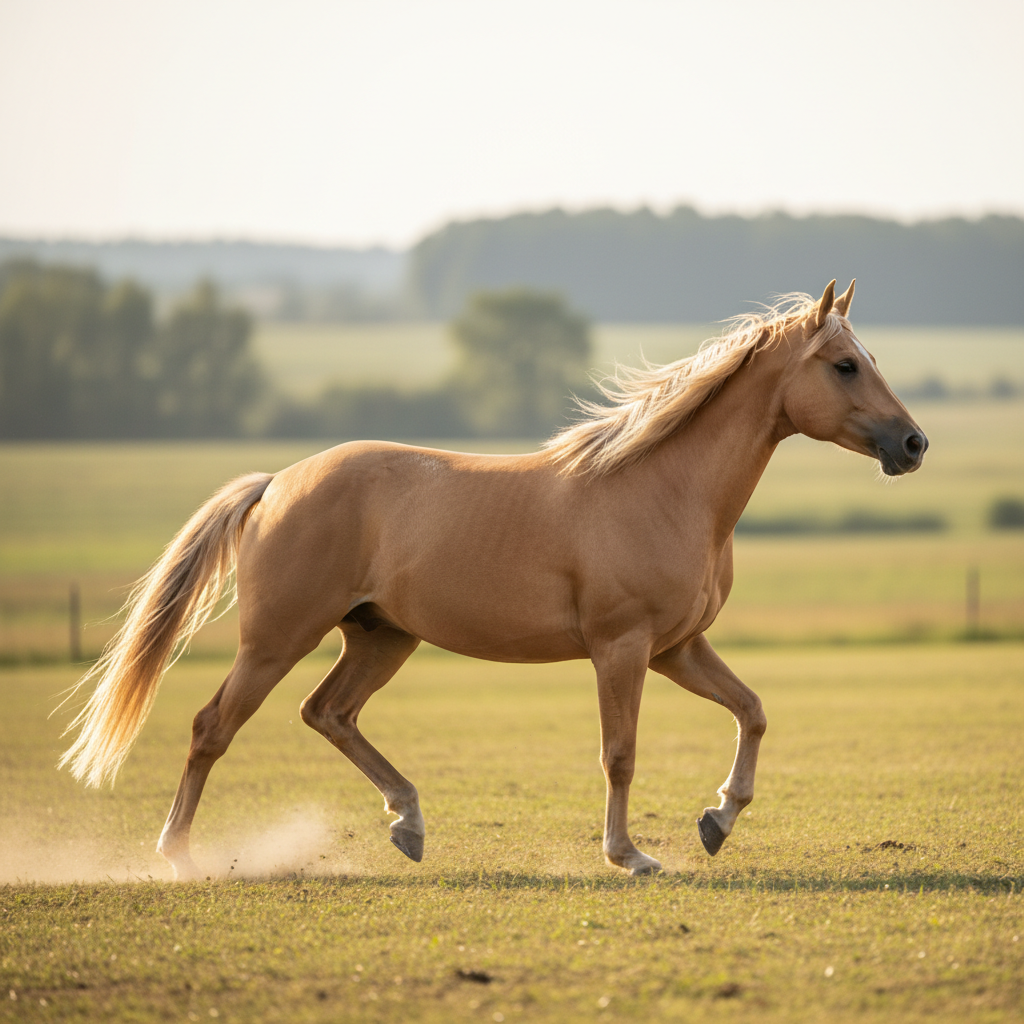
Dusty
2022 Quarter Horse Gelding · Arrived February 2025 · Colt Starting
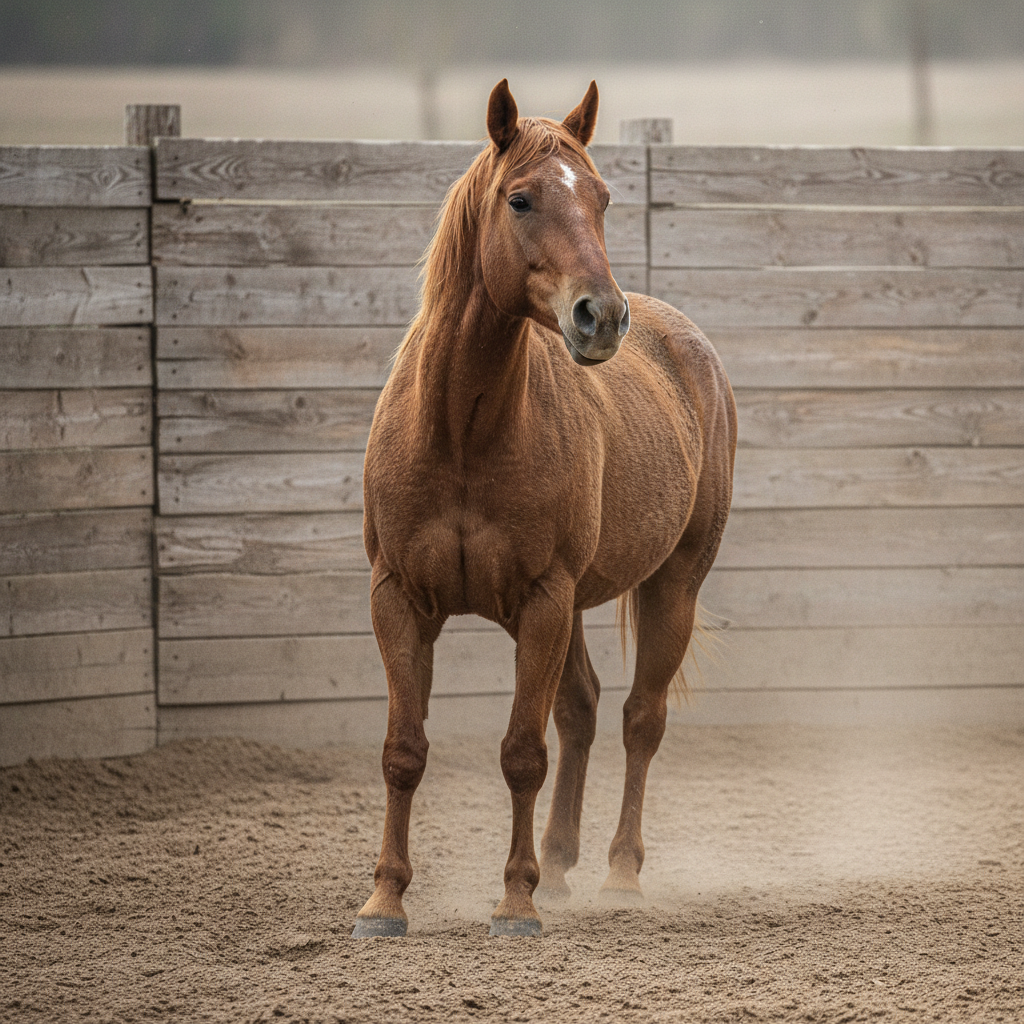
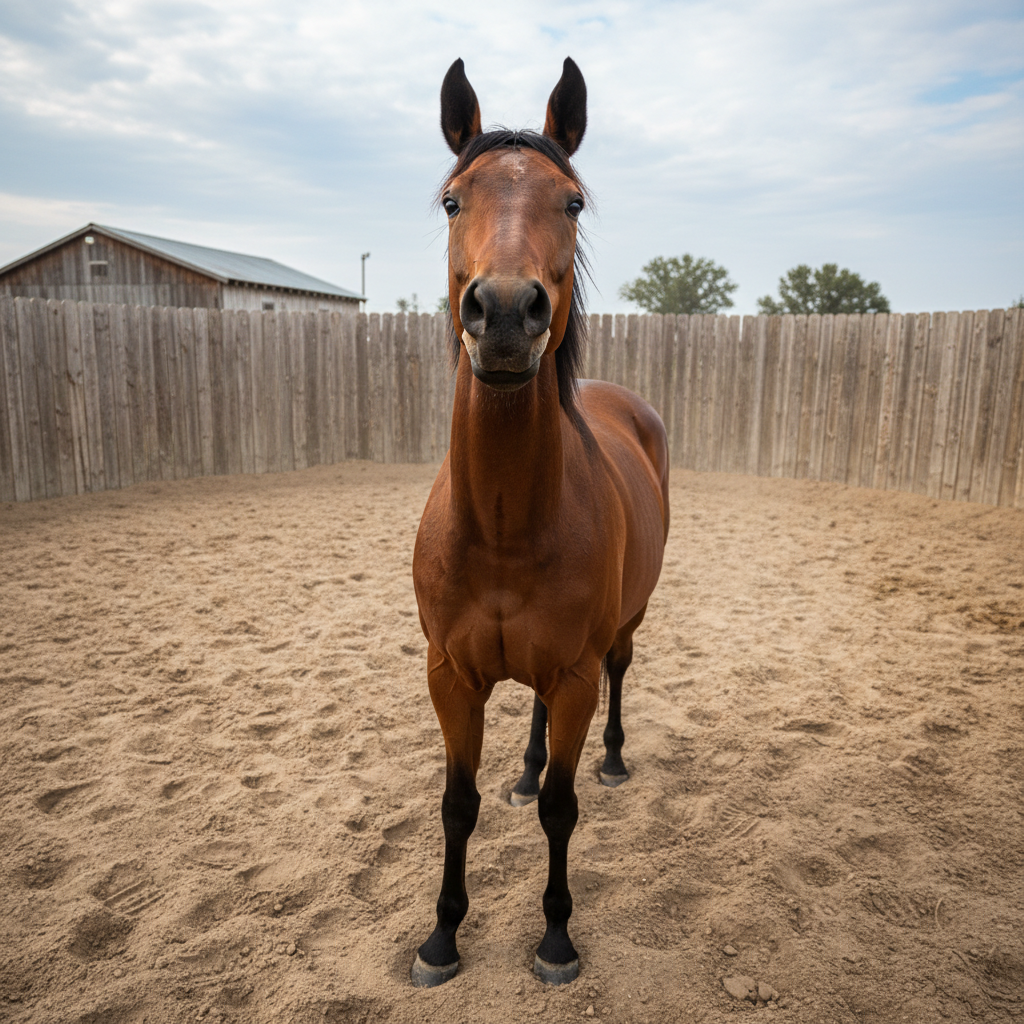
Intake — Week 1
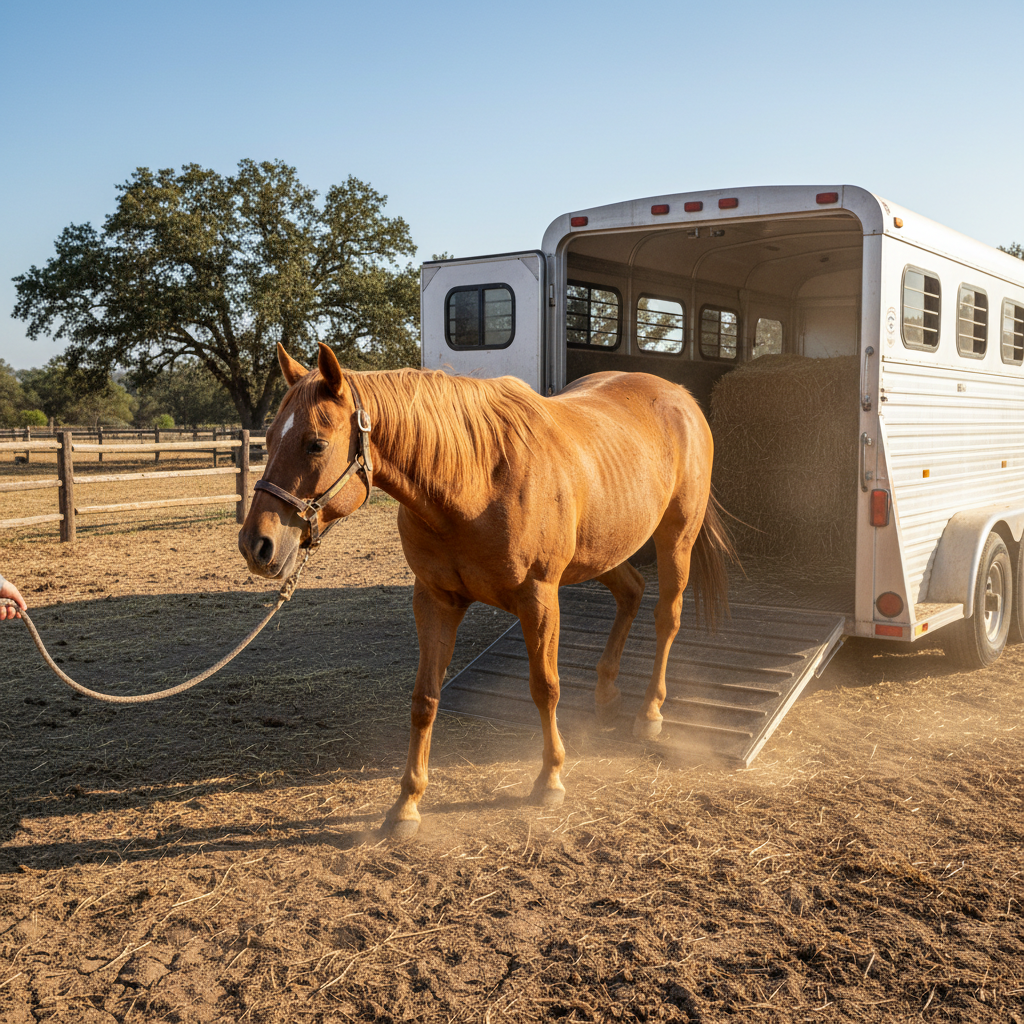
Finished — Week 8
Placed by Whitfield Quarter Horses, Meridian, TX. The breeding manager's note on intake: "Refuses to load. Barn sour. Never been off the property." Eight weeks. Here's the arc.
Week 1
Dusty arrived gate-sour, wouldn't stand at the tie rail. First three sessions: approach and retreat only. No saddle, no agenda. Teaching him that a human stopping means rest.
Week 2
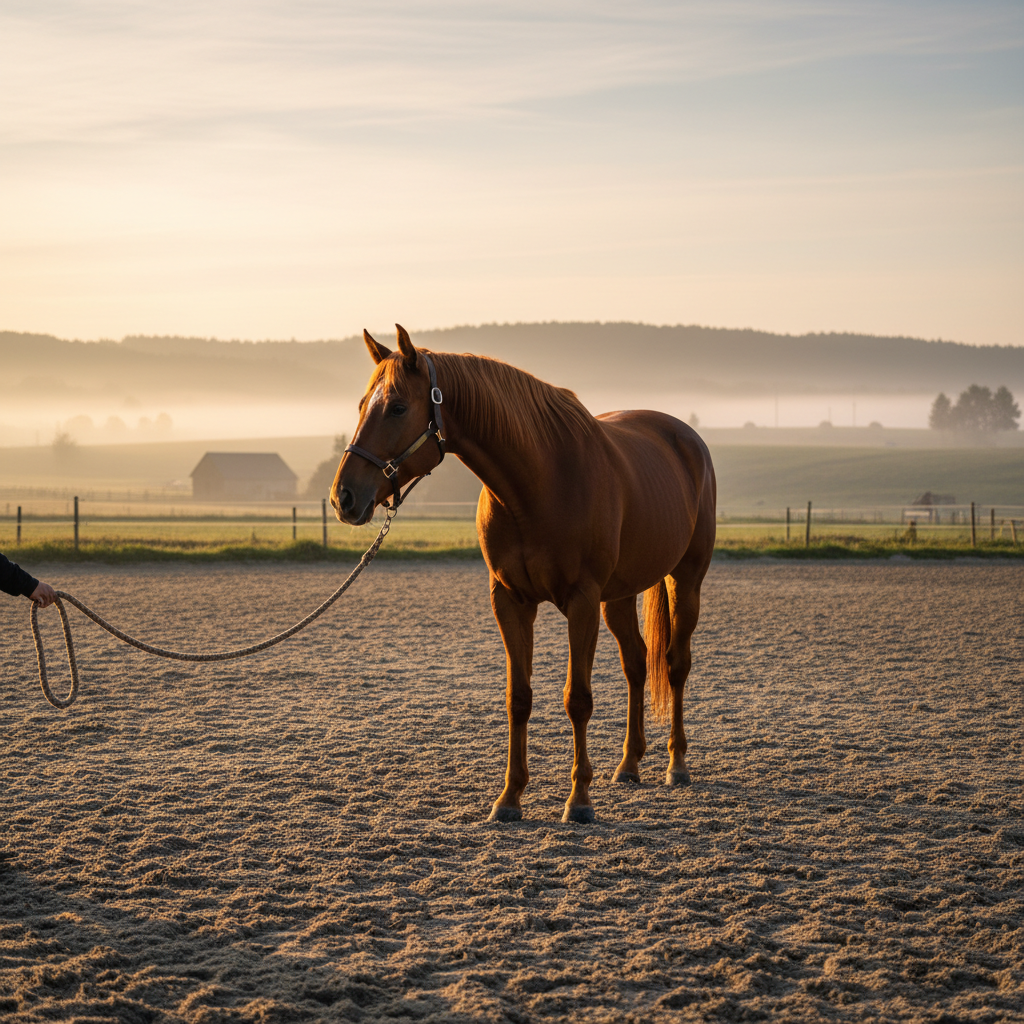
Accepted the saddle pad without flinching. Introduced the cinch slowly — three wraps, release, walk off. By day ten he was standing square on a loose rein while we tightened up.
Week 4
First ride. Eight minutes. Walk, stop, walk. He offered a soft inside ear at the halt. That's the conversation starting.
Week 8
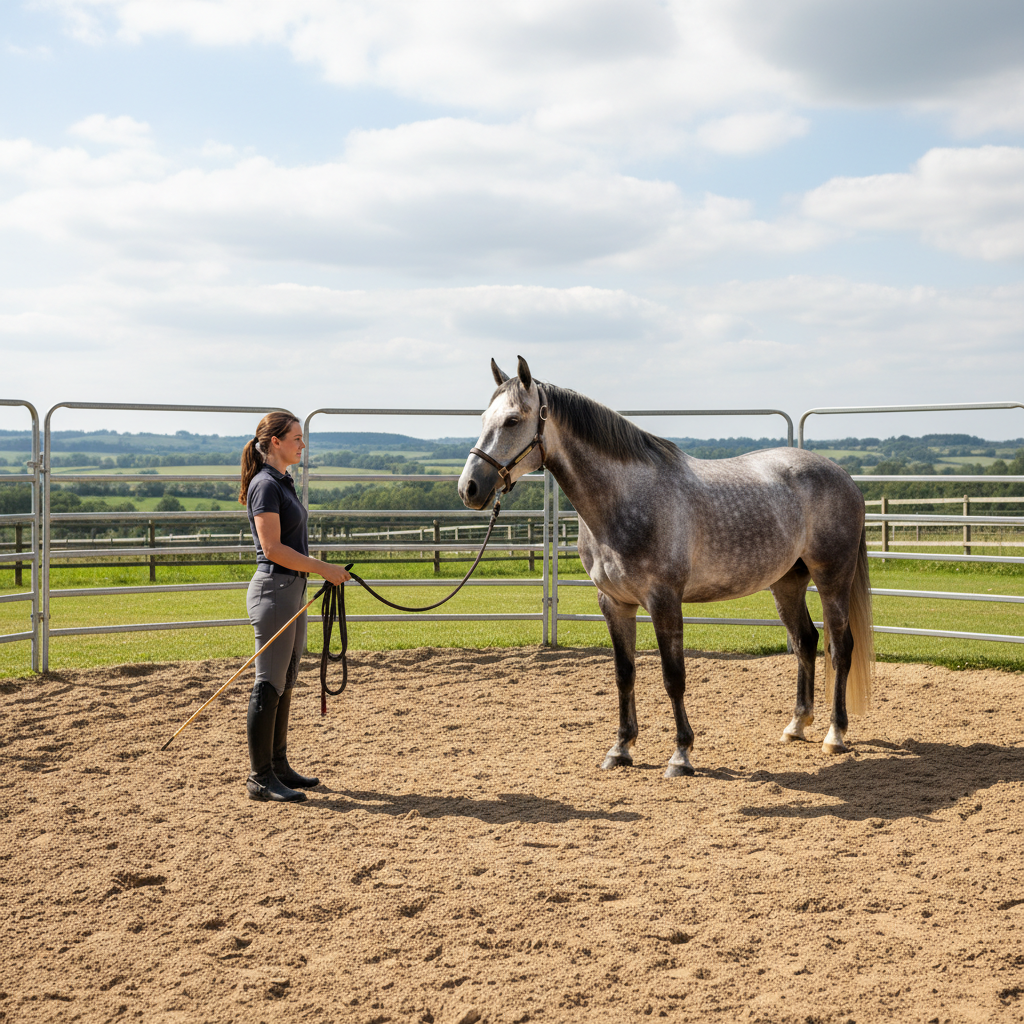
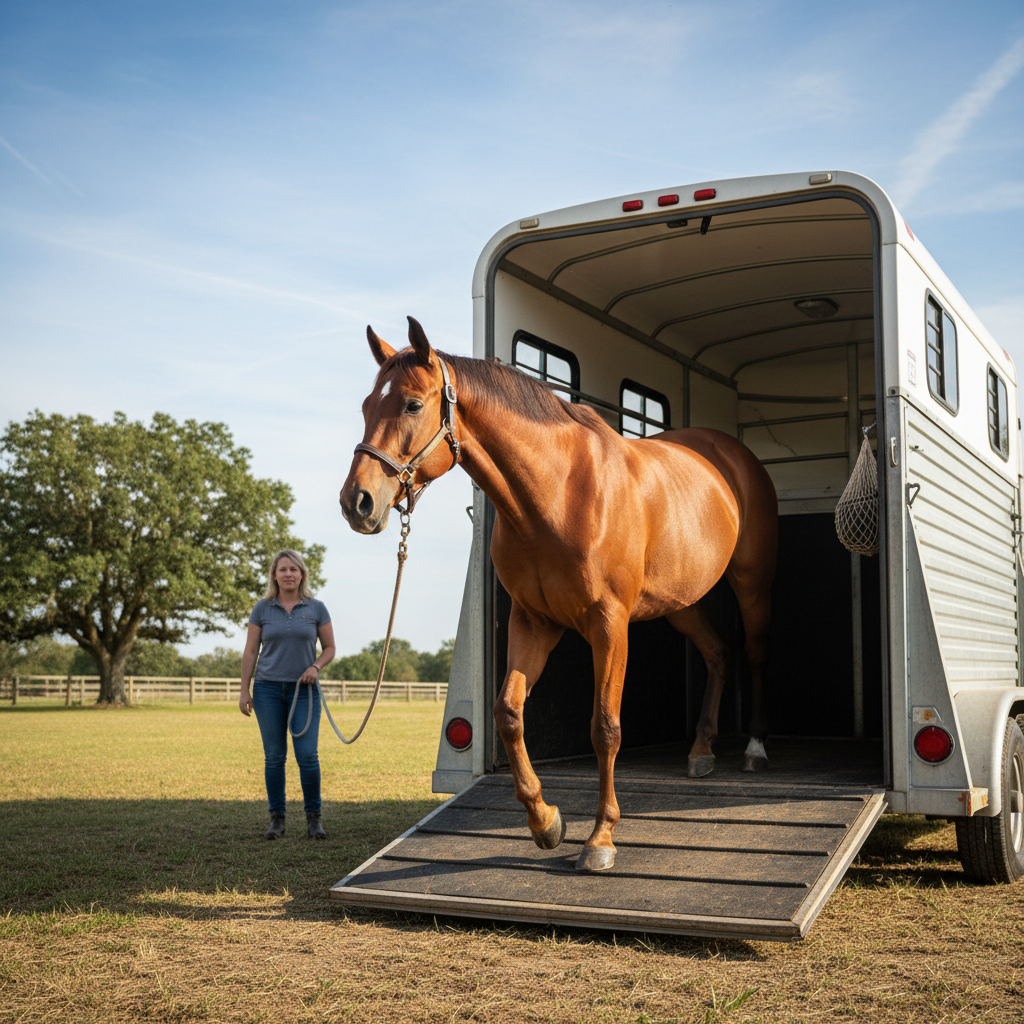
Loping both leads on a loose rein. Stops off a breath and a seat shift. Dusty now self-loads into the trailer. His owner was there for that first load — didn't say anything for about thirty seconds.
"Week 1: Wouldn't load. Week 4: Self-loads on a loose lead."
— Marcus Whitfield, Whitfield Quarter Horses, Meridian TX
Service Radius
Three counties.
Real miles driven.
Based outside Meridian, TX. On-site consultations and haul-in programs available across Limestone, Bosque, and Coryell Counties. These are the operations we work with — named, not vague.
Meridian Equestrian Center
Bosque County
Comanche Creek Ranch
Coryell County
Limestone Valley Farm
Limestone County
Flat Rock Arena & Boarding
Bosque County
Cedar Ridge Quarter Horses
Coryell County
Groesbeck Sale Barn Circuit
Limestone County
Ready to place horses?
Schedule a Barn VisitCase Study No. 02
Magnolia
2018 Off-Track Thoroughbred Mare · Arrived October 2024 · Problem Horse Rehabilitation
Referred by Limestone Valley Farm facility director, Groesbeck, TX. Mare had been passed between three trainers in eighteen months. Each one made the rearing worse. This is what we found, and what we did.
Week 1–2
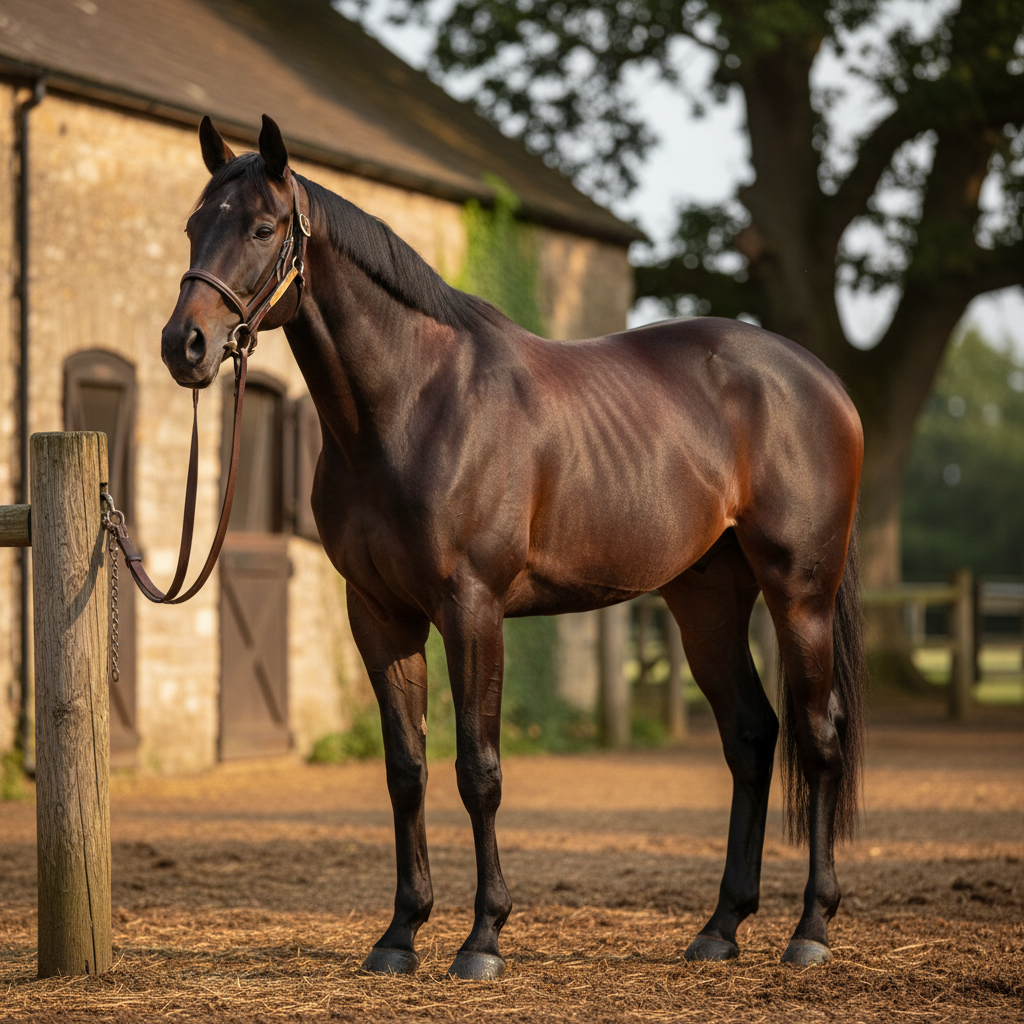
Magnolia came off the track with a hard mouth and a habit of rearing when asked to stand at the mounting block. Intake assessment: pain-based avoidance from a previous ill-fitting saddle. First two weeks — no riding. Bodywork referral, saddle fitting, and ground desensitization only.
Week 3–5
Introduced the mounting block as a neutral object. Approach, step up, step down, walk away. Repeated 200 times before she stopped pinning her ears. Pressure-and-release timing: the release had to come within a quarter-second of the try, or the lesson inverted.
Week 7
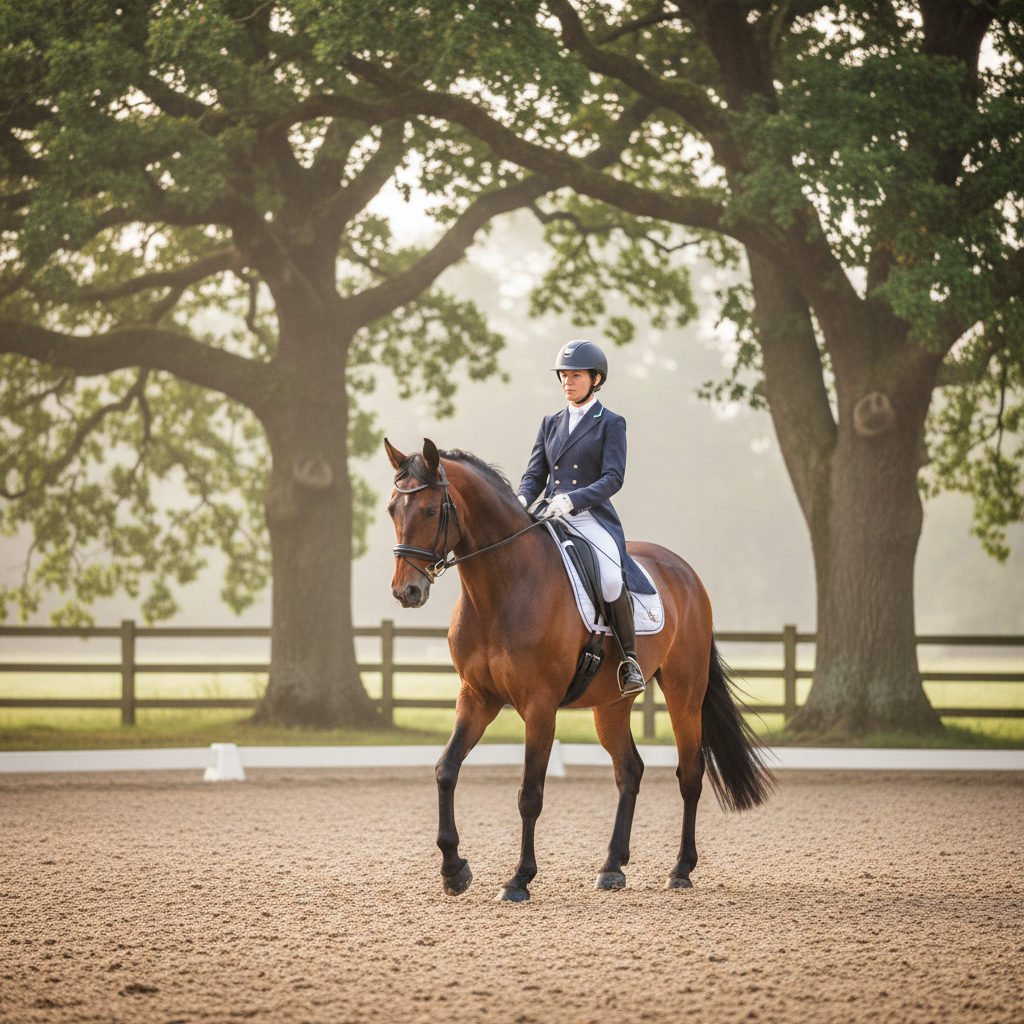
First ride post-rehab. She stood at the mounting block on a loose rein, accepted the rider's weight without tension. Walked off square. No rear, no brace. Her neck dropped two inches.
Week 12
Placed back with the facility director at Limestone Valley Farm. Currently competing at local hunter/jumper schooling shows. Consistent 2-foot courses, relaxed in the in-gate. The director's exact words: "She's a different horse."
"She's a different horse. I didn't think it was possible after what the last two trainers did."
— Patricia Hollis, Facility Director, Limestone Valley Farm
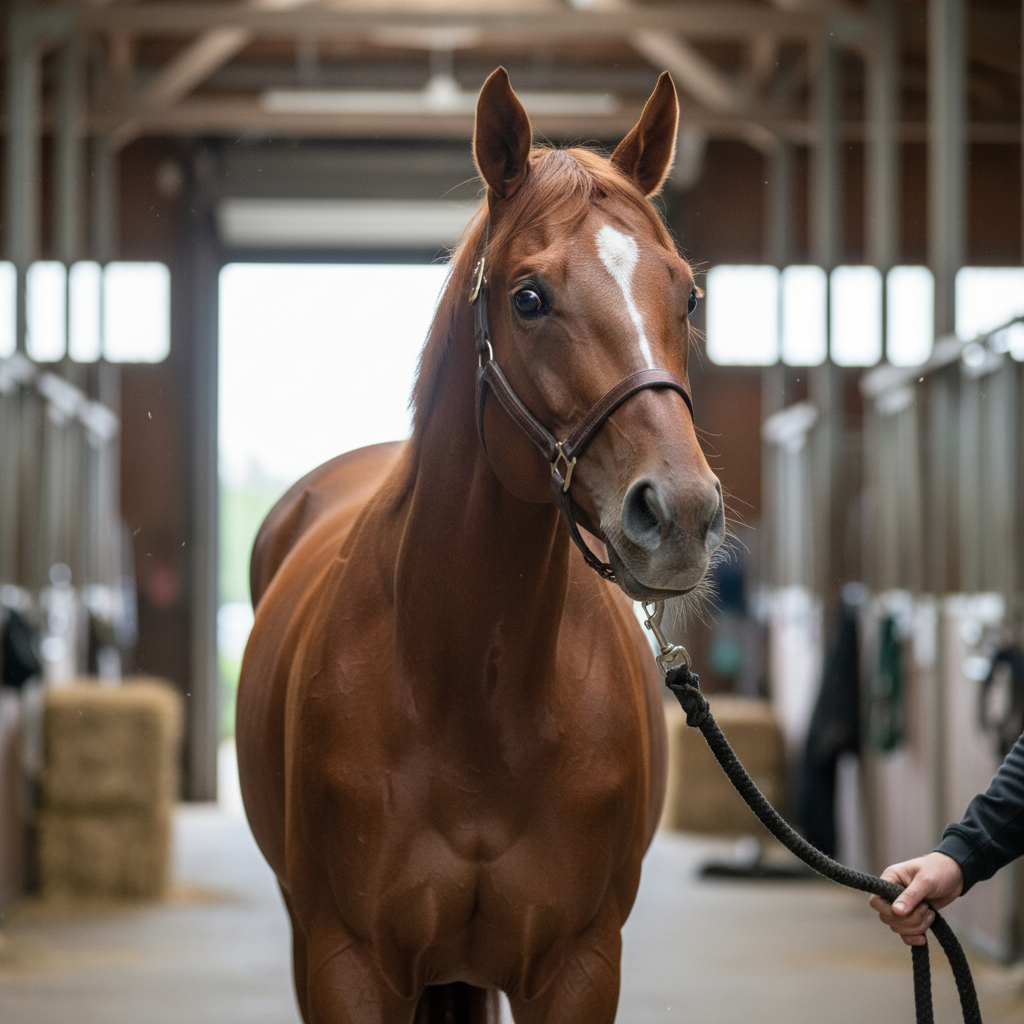
Intake — Week 1
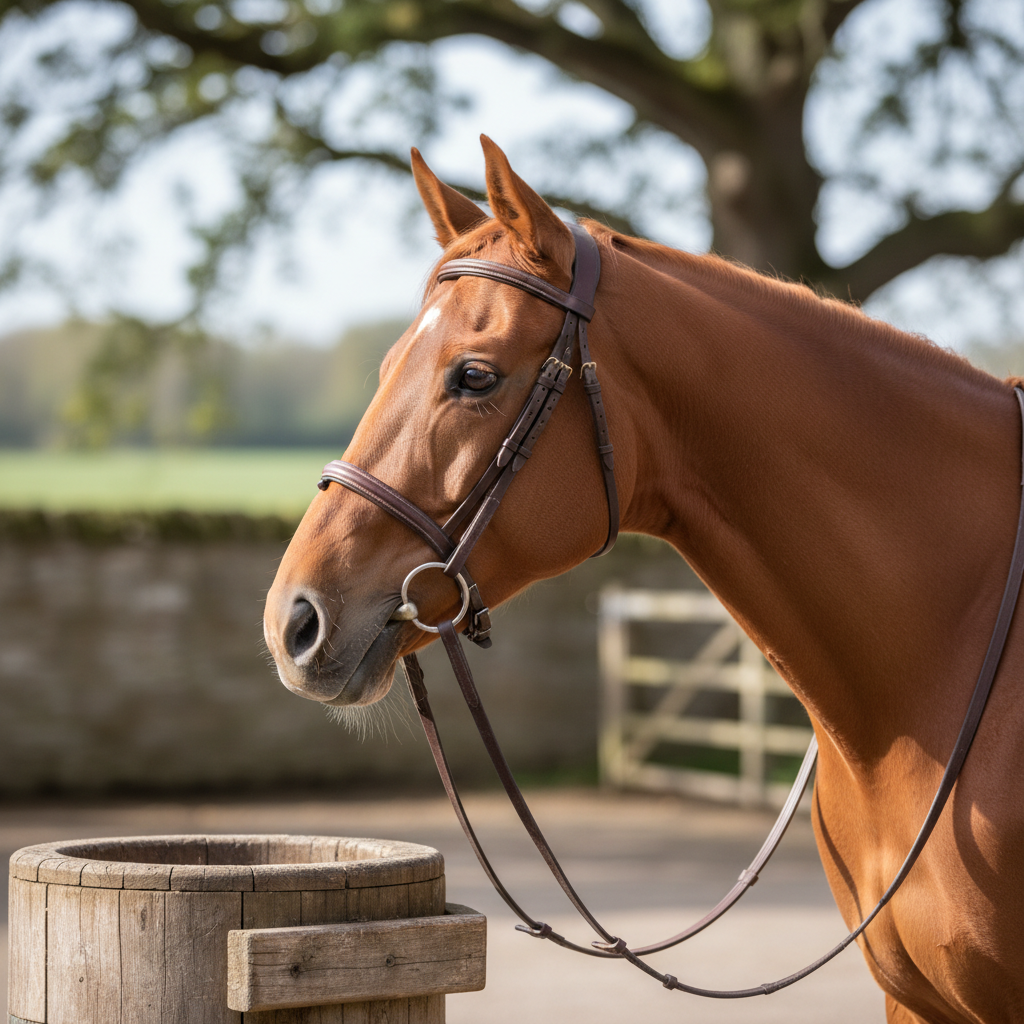
Finished — Week 12
Training Programs
Four programs.
One standard of work.
Every program uses the same pressure-and-release foundation. The difference is where we start and what we're building toward.
Foundational Colt Starting
60–90 days · Breeding farms placing 2yo crops
Two-year-olds through first rides. Halter, lead, tie, stand, load, saddle, bridle, first rider. Built on pressure-and-release timing. No shortcuts, no flooding.
- Round pen desensitization
- Saddle and cinch acceptance
- First rides walk/trot/lope
- Trailer loading
- Basic manners & handling
Problem Horse Rehabilitation
45–120 days · Equestrian facilities & individual owners
Horses that have been made worse by rushed training. Rearing, bolting, loading refusal, cinch-sourness, hard-mouthed. Diagnosis first, training second.
- Behavioral root-cause assessment
- Veterinary/bodywork coordination
- Systematic desensitization
- Retraining under saddle
- Owner communication at every stage
Tune-Ups & Show Prep
30–45 days · Show operations & competitive owners
Horses going into the show pen or needing edge put back on. Collection, lateral work, lead departures, gate manners, trailer behavior. Competition-focused.
- Lateral work & collection
- Lead departure precision
- Gate and in-gate composure
- Pattern practice
- Pre-event conditioning
Volume Ranch Starting
Per-head contract · Ranch operations, spring works prep
Ranch operations needing 10–30 head started before spring works. Efficient, consistent, documented. Every horse gets the same standard, no matter the number.
- Per-head pricing available
- On-site or haul-in
- Weekly progress reports
- Prioritized scheduling for seasonal deadlines
- Volume discounts for 15+ head
Two Paths Forward
Ready to place horses,
or need to build the case first?
Schedule a barn visit directly, or download our training program overview to share with your board or management team before committing.
Schedule a Barn Visit
Cole will come to your facility, assess your horses, and walk you through a program proposal. No charge for the visit.
Download Training Program Overview
A 4-page PDF covering program structures, timelines, pricing frameworks, and case study summaries — designed for sharing with farm managers and boards before a commitment is made.
What's inside